Trauma Therapy for First Responders: Frontline Healing
The first time I sat with a medic after a pediatric code, he could not finish a sentence without staring at the floor. He kept rubbing his wedding ring, a small, restless motion. He had done everything right by the book, yet his body would not believe him. That mismatch, the gap between training and the nervous system’s lingering alarm, is where trauma therapy earns its keep for first responders.
Every call trains the eye to scan for threats and the hands to work under pressure. Not every call gets a clean ending. The residue builds differently in paramedics, firefighters, police officers, dispatchers, and search and rescue teams, but the through line is the same. The job asks for rapid mobilization and quick shutdown, again and again. Most responders carry pride in their work and a quiet spreadsheet of things they never talk about. Therapy that respects the culture and the physiology of this work can turn that spreadsheet into something lighter to carry.
What the job does to a body and a mind
Trauma is not only about horror. It is also about too much, too fast, too soon, or not enough protection when the nervous system needed it. In the field, a responder’s sympathetic system has to spike hard. Sirens, unknown scenes, sights that most civilians will never encounter, and the responsibility of life-and-death decisions load the system. You cannot breathe deeply into a ribcage when you are cinching turnout gear or bracing against recoil. Over months and years, that pattern shapes the body into readiness, sometimes at the expense of rest.
Symptoms rarely appear as movie-script flashbacks. More often, I hear about irritability on the drive home, a quick temper with people who have done nothing wrong, or the confusing loneliness that follows an adrenaline crash. Sleep gets light and choppy. Alcohol sneaks from a weekend tool into a nightly sedative. Back pain flares without a clear lift or twist to blame. A dispatch recording loops in the mind, not full volume, just stuck on repeat at the edges of thought. The body is doing what it learned to do, staying braced. Therapy aims to give it new options.
Why standard talk therapy sometimes falls short
Many first responders have tried therapy that felt like a mismatch. Sitting still in a soft chair, asked to narrate the worst day of your career, can make your chest tighten. Words come later for many people, after the body stops sounding the alarm. Cognitive insight helps, but it cannot outvote a nervous system in survival mode. I have watched tough, insightful responders leave good offices with no change in sleep, startle, or shutdown.
Effective trauma therapy leans into the body, timing, and the job’s culture. It builds safety before exposure. It honors that the story lives in sensations, images, and movement, not only sentences. It respects privacy and the fear of career impact, and it knows that “mental health” is a prickly phrase in some stations and precincts. A therapist who understands rank structure, union issues, critical incident policies, and the difference between an IA interview and a debrief will help therapy feel less foreign.
The core of trauma therapy for the frontline
When first responders ask what works, I start with principles rather than a single brand of therapy. Safety first, agency always, pace that follows physiology, and integration over catharsis. Then we match methods to the person and the moment.
Somatic therapy: settling the body that remembers
Somatic therapy meets trauma where it lives. The aim is to help the nervous system complete protective responses that were interrupted, and to expand the capacity to move from activation back to calm. That might look quiet from the outside. Inside the session, though, it is precise.
A firefighter who tenses his jaw and shoulders while telling a story is not just talking. He is reenacting how his body braced against smoke and heat. We can track that tension, slow the retelling until the nervous system stops overpowering the breath, and invite small experiments. Shift the feet to feel the floor. Loosen the belt a notch to let the abdomen expand. Add a micro push of the hands against the chair to satisfy the body’s urge to exert. These moves give the midbrain a different ending and often allow the memory to file itself without spilling into nightmares.
Techniques vary by training. Somatic Experiencing, Sensorimotor Psychotherapy, and other body-focused approaches share an attention to interoception, pacing, and the sequence of arousal and settling. The first few sessions rarely touch the worst calls. We build tolerances, identify anchors like temperature or pressure that help you reset, and map triggers like certain radio tones. I track heart rate changes, skin color, breath depth, and fidget patterns as data. Clients learn to notice and name their own signs of escalation before they blow past their window of tolerance.
Movement therapy: working with a body that was built to move
Movement therapy branches from somatic work. The nervous system learns fast when the body participates. For responders who cannot sit still after a shift, walking sessions around a quiet block can be more productive than office work. Lateral eye movements during a gentle stroll, paired with specific recall, borrow from EMDR’s bilateral stimulation while using a pace that feels natural to someone who spends shifts on their feet.
Simple, structured drills help. Box breathing with a metronome can be useful, but it is not a cure-all. I have had better results with exhale-weighted breathing that mirrors a recovery pattern after a sprint. A two to three second inhale, followed by a five to seven second exhale, teaches the body to downshift. Adding a light load, like a five to ten pound sandbag held close, helps some clients feel safer and more grounded. For others, a short kettlebell carry outside the office, with attention to foot placement and peripheral vision, replaces an abstract mindfulness exercise with something the nervous system recognizes.
Yoga and tai chi have value, but I do not hand out one-size-fits-all routines. Knees and backs that have hauled hose or worn duty belts need respect. Movement therapy for responders works best when it ties to familiar tasks. A police officer practicing the transition from isometric bracing to open-hand gestures learns a social, not just physical, skill that reduces escalation at home. A medic rehearsing a gentle shoulder shake and clear verbal check-in with their partner after a rough call practices co-regulation, not only stretching.
Attachment therapy: repair in the system of trust
People join the first responder world for many reasons, but a recurring theme is service tied to identity. That loyalty can complicate attachment. Units become families, and families at home often run on shift schedules and interrupted holidays. Attachment therapy recognizes that trauma symptoms live in relationships as much as in individuals. Numbing can look like long, quiet dinners where nobody makes eye contact. Hypervigilance at work can cross the threshold, becoming control at home.
Attachment-focused work builds secure base behaviors. That starts with small, reliable signals. A spouse who texts “standing down, call later” knows not to ask for details, but learns to check that their partner actually eats after a 20-hour wildfire shift. In session, we sometimes practice repair phrases out loud. Not scripts, but honest lines that fit the couple’s style. I have watched a paramedic say, “My fuse is cut short tonight, it is not you,” and saw the partner’s shoulders drop two inches. That is attachment therapy in practice, making room for both people’s nervous systems.
Supervisors and peer teams also play into attachment patterns. A captain who never debriefs difficult calls teaches avoidance. A communications center that rotates dispatchers through a dark call without peer follow-up erodes trust. Therapy can equip responders to ask for structures that heal. More regular check-ins, predictable time off after grim scenes when staffing allows, and clear boundaries around on-call expectations create healthier attachment in the workplace.
Grief counseling: honoring what is lost without drowning in it
First responder grief is specific. It includes the dead, of course, but also the scenes where nobody dies, yet something essential changes. The neighborhood that never feels safe again. The rookie who learned too much too fast. The piece of yourself that no longer laughs as easily at gallows humor. Grief counseling for responders does not sanitize these losses or push quick meaning-making.
Ritual helps. Some crews keep a small practice of writing initials on a stone and placing it in a jar after a fatal. Others eat together after a grim shift, not for idle talk but to anchor the day with something warm. In therapy, we might create a personal ritual that travels well. A police officer touches a bracelet before shift change and sets an intention to hand back what does not belong to her when she hangs it on the dresser that night. A firefighter writes one sentence after each shift, no more, no less. “Saw a father try to act brave for his kids. Sat with him for two minutes.” Short, truthful lines. Over time, this practice prevents a backlog.
Grief does not respond to cleverness. It softens when witnessed and named. I have sat with dispatchers who carry voices in their heads for months. They never saw the faces, only heard the last 30 seconds before sirens arrived. They need a room that recognizes the cost of invisible work. Grief counseling gives permission to carry love for strangers without needing to justify it.
Evidence-based trauma therapies: translating tools to the field
EMDR, Cognitive Processing Therapy, and Prolonged Exposure all have data supporting them. In practice, their usefulness hinges on fit and timing.
EMDR can work well for discrete incidents. Many responders prefer EMDR because it reduces verbal detail and feels more like a set of tasks. A police officer who was sideswiped during a pursuit may respond within three to five sessions when the target is that incident’s worst image and the body memory of helplessness in the spin. When the trauma load is complex, I extend preparation. We build strong resources, practice short sets, and agree that the goal is symptom reduction first, meaning-making later.
Cognitive Processing Therapy shines when beliefs have warped around the work. A firefighter who thinks “if I do not control everything, people die” benefits from mapping the stuck points, tracing them to specific events, and running structured experiments to test them. The language in CPT can sound academic. Translating it to station talk keeps it alive. “I have to carry it all alone” becomes “I am acting like I am the only one on the truck.”
Prolonged Exposure has a place, but I use it when the system has enough elasticity. Flooding a nervous system that is already overexposed to threat can backfire. Imaginal work that is titrated, paired with robust grounding, and integrated with body skills makes PE safer for many responders.
No one approach covers everything. A blended model is common. Somatic skills to regulate, EMDR to process the most charged images, and CPT to loosen rigid beliefs, all paced around sleep and shift schedules.
The bridge from call to clinic
Some of the most useful work happens in the first 24 to 72 hours after a hard event. Not all departments provide structured acute support, and responders often distrust formal debriefs if they feel forced or poorly timed. I prefer brief, confidential check-ins that focus on physiology rather than story. Normalize a rough night. Offer two to three concrete tools. No mandating disclosures, no fishing for details.
When an incident is extraordinarily heavy, I sometimes coordinate with a peer support lead to offer an opt-in small group within a week. The aim is to reconnect co-workers rather than to extract narratives. People share only what they want. We track common symptoms, provide education on sleep, and flag risks without shaming. Those who need more get a warm handoff, ideally to a clinician who understands the work.
Sleep, substances, and the quiet levers of recovery
Trauma therapy that ignores sleep will underperform. Shift work wrecks circadian rhythms. We stabilize what we can. Blackout curtains, consistent wake times when possible, light exposure strategies, and caffeine timing make a genuine difference. I have watched nightmares drop after a medic moved his first coffee to 90 minutes after waking to let cortisol peak naturally, then switched to half-caf after noon. Tiny adjustments, real gains.
Alcohol complicates trauma recovery. It shortens sleep cycles and intensifies rebound anxiety. I work harm reduction first. A police officer who went from four drinks nightly to two on shift nights and three on days off is moving in the right direction. Pairing cuts with alternative downshift tools keeps it doable. Magnesium glycinate in the evening helps some, not all. A hot shower followed by a cool bedroom drops core temperature. A 10-minute breath practice paired with a weighted blanket can become a reliable pre-sleep routine.
Strength training two to three times a week, with a focus on controlled eccentrics and nasal breathing, often improves mood stability. Cardio that stays mostly conversational teaches the body safety. None of this replaces therapy. It makes therapy stick.
Culture, confidentiality, and the fear of career impact
I hear it often. If I say too much, they will pull me off the street. This fear is not fiction. Departments vary in policies and in the wisdom with which they apply them. Good therapy starts with a clear privacy talk. What stays in the room, what does not by law, and how documentation is handled. When possible, I suggest using private insurance or out-of-network cash pay for maximum control over records. Some departments contract with clinicians who do not share notes with command. Know the landscape before you disclose.
Peer support programs can be a lifeline when they are trained and given real standing. Peers are not therapists, but they can speak the language, normalize help-seeking, and bridge to care. When peer teams get used as unofficial investigators, trust collapses. Leadership must protect the integrity of peer roles if they want a healthy culture.
How to choose a therapist who fits the work
Finding the right clinician saves months. During a consult call, ask targeted questions and listen for confident, plain answers.
- How many first responders do you see in a typical month, and from which disciplines?
- What is your plan for acute incidents versus cumulative stress, and how do you decide?
- Which somatic or movement practices do you use, and how do you adapt them to shift work?
- How do you handle confidentiality, notes, and any contact with my department?
- What signs tell you therapy is working for clients like me, and how do we measure them?
If the answers sound vague or generic, keep looking. Fit matters more than any single credential. A clinician who asks about your gear, radio codes, or SOPs is trying to understand your world, not flatten it.
A short protocol for the first 48 hours after a tough call
This is not a cure. It is triage for the nervous system and a bridge until you can meet with a clinician.
- Hydrate and eat something with protein and carbs within two hours. Low blood sugar mimics anxiety.
- Move your body for 8 to 12 minutes at an easy pace, ideally outdoors. Keep your eyes scanning the horizon to widen peripheral vision.
- Do three rounds of exhale-heavy breathing. Inhale through the nose for 3, exhale through pursed lips for 6 to 8. Pause for 1 at the bottom.
- Limit the story replay. Set two 10-minute windows with a trusted person to talk if needed, then redirect attention to neutral tasks.
- Prioritize sleep hygiene that night. Dark, cool room, no screens for 45 minutes before bed, and no alcohol. If sleep does not come, get up for a short, low-light routine and try again.
Clients report that this small stack lowers the sense of spiraling and reduces next-day irritability. It also gives you data. If you cannot settle at all with these steps, flag it and book a session soon.
Families are part of the system
Therapy that excludes family misses leverage. Partners and children adapt to the responder’s rhythms. They learn to read the sound of boots in the hallway and the weather of the face that walks through the door. We can involve families without turning them into therapists. Short, planned check-ins help. A nightly five-minute debrief that covers only the state of the nervous system, not the details of calls, keeps the home from guessing. “I am at a 6 out of 10 for tension, I need a quiet shower and a snack, then I can join.” Simple, honest, repeatable.
Kids do not need grisly truth. They need coherence and presence. Families I have worked with create small rituals at shift start and end. A shared breakfast on first day off, a silly handshake before a night shift, a joint chore like watering plants that marks reunion. Attachment strengthens when transitions get structure.
Measuring progress without chasing perfection
Trauma therapy for responders aims for function and ease, not sainthood. We track outcomes that matter on the street and at home. Fewer nightmares or less intensity. Shorter duration of anger spikes. More days with a full meal after shift. Improved sleep efficiency, not just time in bed. A captain notices fewer sharp comments to the crew. A dispatcher finds that her hands no longer tremble when the tones drop.
Self-report scales can help. The PCL-5 for PTSD symptoms, the PHQ-9 for depression, the GAD-7 for anxiety. I use them as snapshots, not verdicts. I rely more on individualized markers. How many times did you leave your fork midair at dinner. How often did you drive past the cross street without checking mirrors three extra times. These details tell me if therapy is changing real life.
Edge cases, setbacks, and clinical judgment
Some responders hit a wall in therapy and feel worse before better. Two common patterns show up. First, the body finally allows sensation after years of numbness, and the return of feeling surprises and scares the client. We prepare for that by naming it early and building tolerable doses. Second, legal or administrative processes keep wounds open. An officer under investigation cannot settle as long as uncertainty looms. Therapy shifts to support function under load, not deep processing. We keep skills sharp, focus on sleep, and practice compartmentalization that does not harden into permanent shutdown.

When substance use crosses into dependence, therapy needs support from medical and addiction specialists. When moral injury is central, especially after incidents where a good outcome was impossible, spiritual resources or chaplaincy sometimes join the team. When suicidality spikes, safety takes precedence. Responders worry about the consequences of voluntary hospitalization. We build safety plans that use peer contacts, 24-hour crisis lines that understand responder culture, and clear thresholds for higher care.
Access, cost, and realistic paths to care
Insurance networks can be thin on providers who know responder life. I encourage departments and unions to maintain curated lists of trauma-competent clinicians. Telehealth, once a stopgap, has matured. For responders in rural areas or those with unpredictable schedules, video sessions keep care from collapsing during fire season or a surge in calls. Some somatic and EMDR work adapts well to telehealth. Movement elements can be coached with a camera pointed at a cleared space in a garage.
Cost matters. Not everyone can afford weekly private-pay sessions. A stepped-care model helps. Start with a small block of four to six weekly sessions to establish stability and core skills, then taper to biweekly or monthly maintenance as symptoms improve. Pair therapy with peer support and self-led practices between visits. Clinicians can provide brief, targeted videos or written guides tailored to the client’s routines, saving time in session.
What healing looks like on the frontline
Healing for first responders does not erase what happened. It refines how the body responds and restores choice. I have watched a firefighter return to a firehouse kitchen and taste his food again after months of mindless bites. A medic rejoin his running group not to outrun feelings but because his breath finally felt like a friend. A dispatcher who once jumped at every sudden sound now sits by an open window and enjoys the street noise. A police officer who used to white-knuckle the steering wheel on the route past a fatal https://andresfdlj664.bearsfanteamshop.com/attachment-therapy-for-couples-creating-secure-connection scene now drives it with company, his partner on the phone, the memory held but not scalding.
These are not dramatic movie endings. They are quiet wins that add up. Trauma therapy, somatic work, grief counseling, movement therapy, and attachment therapy, used with care and cultural respect, allow responders to keep doing the work with less cost and more integrity. The job will always be hard. With the right support, it does not have to be hollowing.
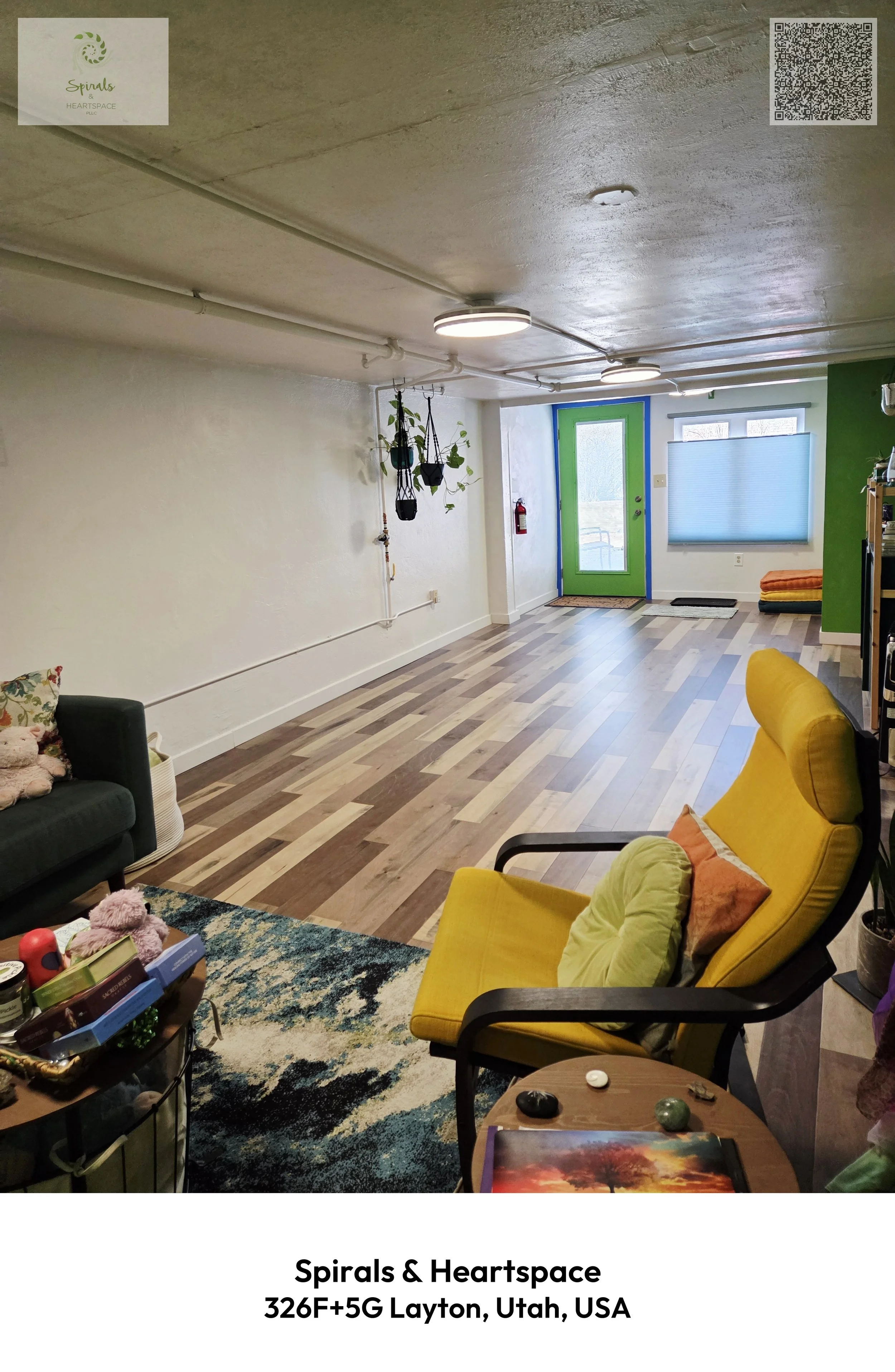
Spirals & Heartspace
Name: Spirals & Heartspace
Address: 534 W Gentile St, Layton, UT 84041
Phone: (385) 301-5252
Website: https://spiralsandheartspacehealing.com/
Hours:
Sunday: Closed
Monday: 9:30 AM – 7:00 PM
Tuesday: 9:30 AM – 7:00 PM
Wednesday: 9:30 AM – 7:00 PM
Thursday: 9:30 AM – 7:00 PM
Friday: 9:30 AM – 7:00 PM
Saturday: Closed
Open-location code / plus code: 326F+5G Layton, Utah, USA
Coordinates: 41.0604503, -111.9762128
Map/listing URL: https://www.google.com/maps/place/Spirals+%26+Heartspace/@41.0604503,-111.9762128,766m/data=!3m2!1e3!4b1!4m6!3m5!1s0x875303311f1d4d1b:0xc6859e5e3fceafe2!8m2!3d41.0604503!4d-111.9762128!16s%2Fg%2F11x781dbvb
Embed iframe:
Socials:
Instagram: https://www.instagram.com/spiralsheartspace/
LinkedIn: https://www.linkedin.com/company/spirals-and-heartspace-pllc
TikTok: https://www.tiktok.com/@spiralsheartspace
X: https://x.com/SpiralsHea61786
YouTube: https://www.youtube.com/@SpiralsHeartspace
The practice is led by Ande Welling, a licensed clinical mental health counselor with training in dance/movement therapy, somatic work, EMDR, trauma care, relational neuroscience, and embodied attachment.
Listed services include therapy, coaching, consultation, authentic movement, trauma therapy, somatic therapy, grief counseling, movement therapy, and attachment therapy.
The practice serves adults who want a deeper body-aware approach to trauma, anxiety, depression, grief, burnout, self-abandonment, family patterns, and relationship wounds.
Spirals & Heartspace offers both in-person sessions in Layton and online therapy for clients in Utah.
The practice is locally positioned for clients in Layton, Kaysville, Farmington, Syracuse, Clearfield, Clinton, Roy, Ogden, Bountiful, Davis County, and nearby northern Utah communities.
The office is listed at 534 W Gentile St in Layton, with public listing hours Monday through Friday from 9:30 AM to 7:00 PM.
Prospective clients can call (385) 301-5252 or visit https://spiralsandheartspacehealing.com/ to ask about consultation options, session fit, and scheduling.
The public map listing for Spirals & Heartspace can help clients verify the Gentile Street office before planning an in-person appointment.
Popular Questions About Spirals & Heartspace
What is Spirals & Heartspace?
Spirals & Heartspace is a Layton, Utah psychotherapy and coaching practice offering somatic, trauma-focused, expressive arts, movement-based, and attachment-informed support for adults.
Who is the therapist at Spirals & Heartspace?
The official site identifies Ande Welling as the therapist, coach, movement facilitator, and guide behind Spirals & Heartspace. Listed credentials include LCMHC, BC-DMT, NCC, GL-CMA, BSE, EMDR Trained, and CCTP-II.
Where is Spirals & Heartspace located?
The matching public listing and LinkedIn profile list the address as 534 W Gentile St, Layton, UT 84041.
Does Spirals & Heartspace offer online therapy?
Yes. The official FAQ states that therapy is available in person or through a HIPAA-compliant telehealth platform for clients who live in Utah.
What services does Spirals & Heartspace provide?
Listed services include therapy, coaching, consultation, authentic movement, trauma therapy, somatic therapy, grief counseling, movement therapy, and attachment therapy.
What makes somatic therapy different from traditional talk therapy?
The official Layton page explains that somatic therapy works with body sensations, movement, and physical experience because trauma and emotional patterns can be held in the nervous system, not only in thoughts.
Do clients need dance experience for movement therapy?
No. The official Layton FAQ says no dance training or special physical ability is required, and that movement therapy uses a client’s natural capacity for movement to access emotions and process experiences.
Does Spirals & Heartspace accept insurance?
The official FAQ says the practice does not take insurance directly, but may provide superbills or bill for out-of-network benefits when applicable. Clients should confirm current reimbursement options directly before scheduling.
What are Spirals & Heartspace’s listed hours?
The matching public listing shows Monday through Friday from 9:30 AM to 7:00 PM, with Saturday and Sunday closed. Appointment availability should be confirmed directly.
How can I contact Spirals & Heartspace?
Call (385) 301-5252, visit https://spiralsandheartspacehealing.com/, or use the listed social profiles: https://www.instagram.com/spiralsheartspace/, https://www.linkedin.com/company/spirals-and-heartspace-pllc, https://www.tiktok.com/@spiralsheartspace, https://x.com/SpiralsHea61786, and https://www.youtube.com/@SpiralsHeartspace.
Landmarks Near Layton, UT
Spirals & Heartspace is located on West Gentile Street in Layton, Utah, with in-person therapy available locally and online therapy available for Utah residents. Clients near these landmarks can call (385) 301-5252 or visit https://spiralsandheartspacehealing.com/ to ask about somatic therapy, trauma therapy, movement therapy, grief counseling, attachment therapy, and consultation options.
- 534 W Gentile St — The listed office address for Spirals & Heartspace; clients can use the map listing to verify the office before visiting.
- West Gentile Street — The local street connected with the practice’s Layton office location.
- Downtown Layton — A practical local reference point for clients navigating central Layton.
- Layton Hills Mall — A major Layton shopping landmark and useful orientation point for clients traveling through the city.
- Interstate 15 near Layton — A major northern Utah route that helps clients reach Layton from nearby Davis County communities.
- Layton FrontRunner Station — A transit landmark for clients traveling by commuter rail through Davis County.
- Ellison Park — A local park and community landmark in Layton.
- Great Salt Lake Shorelands Preserve — A major natural landmark west of Layton and a recognizable Davis County destination.
- Hill Air Force Base — A major regional landmark near Layton and Clearfield.
- Kaysville — A nearby Davis County city listed in the practice’s surrounding service area.
- Farmington — A nearby Davis County community included in the broader local service-area language.
- Ogden — A nearby northern Utah city; clients can ask whether online Utah therapy or in-person Layton sessions are the best fit.